
JAVI_TATTOOZ
Custom tattoos crafted with precision, detail, and meaning by Javi — a versatile artist dedicated to bringing your vision to life.
ABOUT US
Javier Gonzalez
known as Javi_tattooz
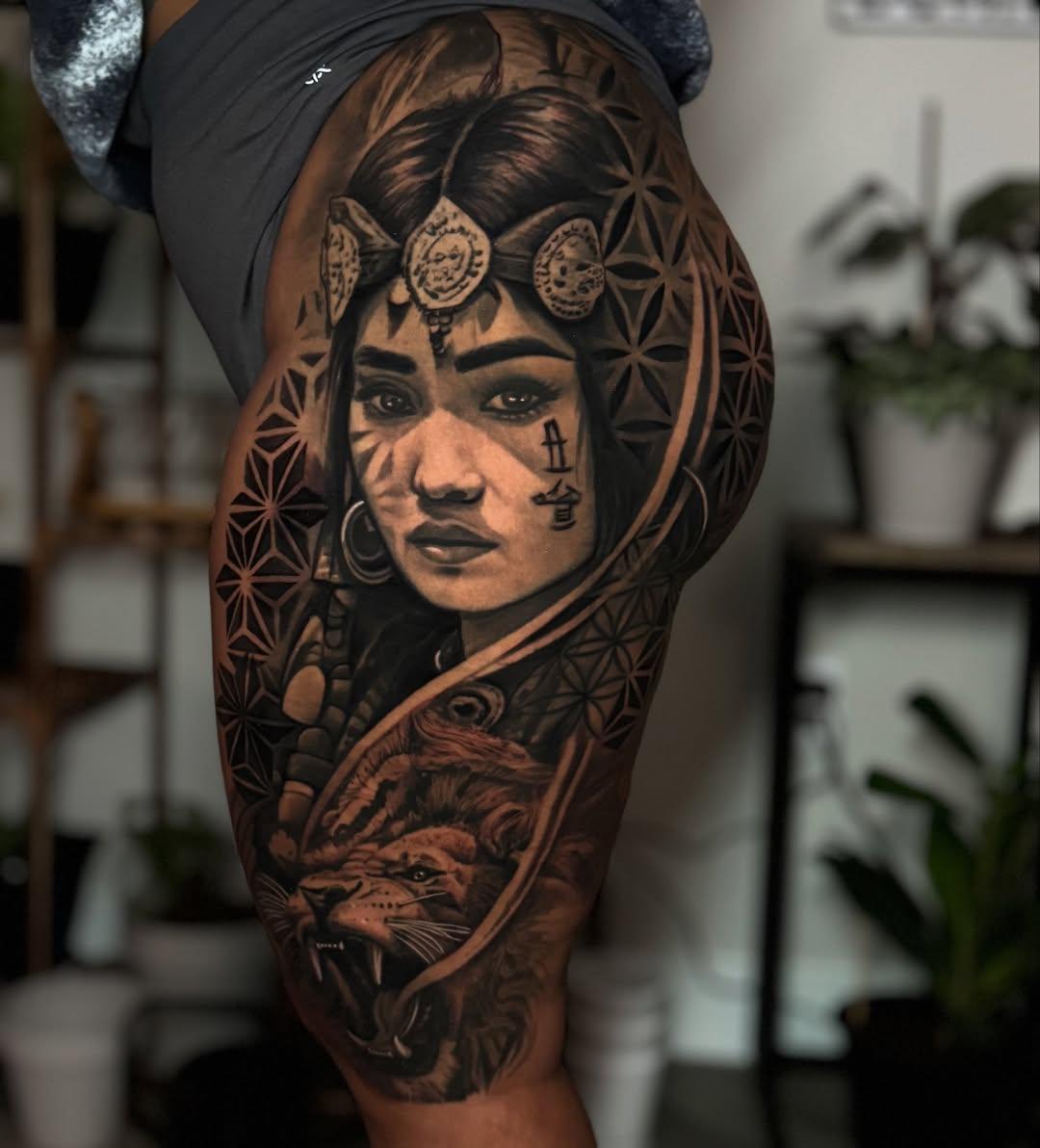
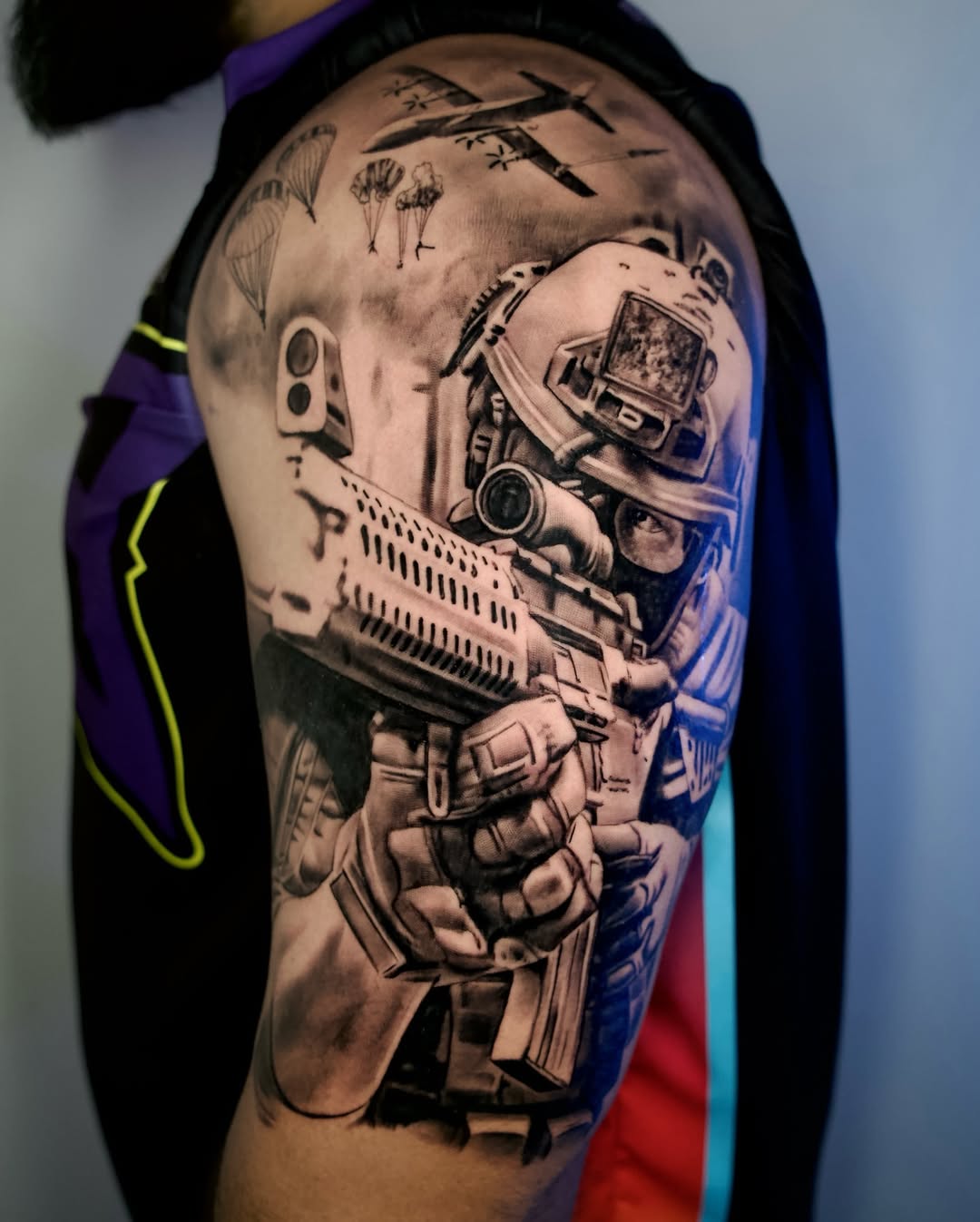
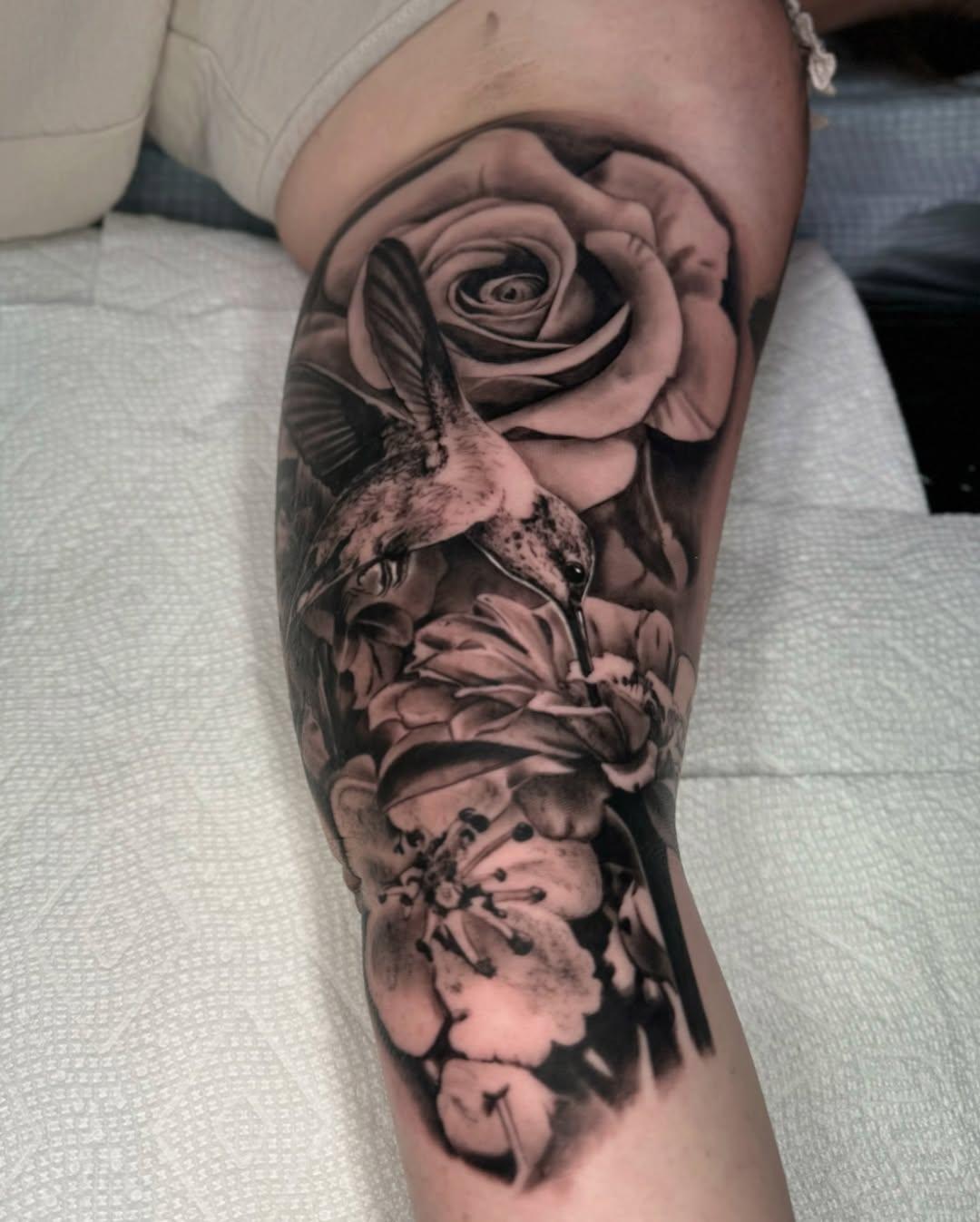
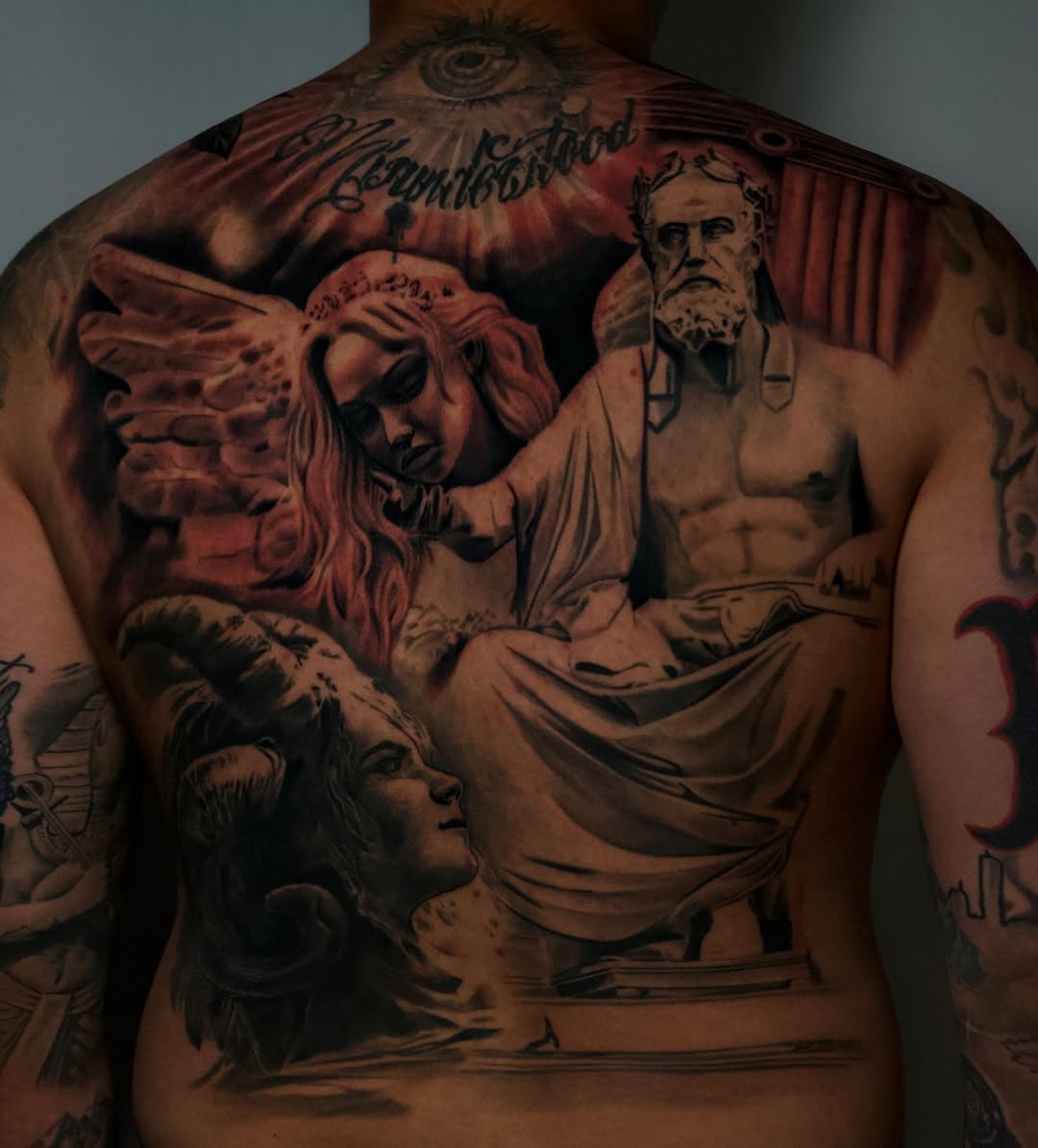
a talented tattoo artist who was born in Newark, NJ and began his career in 2016 in Orlando, FL. Specializing in black and grey tattoos, Javi has quickly made a name for himself in the industry with his exceptional skills and attention to detail. His passion for art and tattooing has led him to become a versatile artist who is able to work in various styles.
Javi's artistic background has been an important part of his tattoo journey. His experience in drawing and tattooing has given him a unique perspective in creating custom designs that reflect the personalities and preferences of his clients. Javi believes that every tattoo is an expression of one's identity, and he strives to create meaningful and beautiful pieces that his clients can be proud to wear.
Javi's commitment to his craft has led him to participate in various tattoo conventions and guest spots across the country. He continues to learn and grow in his artistry, constantly pushing himself to create better and more innovative designs. When he's not tattooing, Javi enjoys spending time with his family and exploring new places to gain inspiration for his next masterpiece.
OUR SERVICES
We Also Offer

Custom Tattoo Design
Every piece is uniquely created to match your vision, story, and personal style.

Black & Grey Tattoos
Specializing in high-contrast, detailed work that stands the test of time.

Cover-Ups & Reworks
Transform old or unwanted tattoos into something new and powerful.

Consultations
One-on-one sessions to refine your ideas and create the perfect design before your appointment.
TESTIMONIALS
Positive Customer Reviews
★★★★★
I had a great experience at this tattoo shop. The artist took time to understand my idea and turned it into a clean, detailed design that exceeded expectations. The studio was hygienic and well-organized, which made me feel comfortable throughout the session. Healing went smoothly, and the final result looks sharp.
- MUSCLE_50Gs
★★★★★
Solid service overall. The staff were professional and easy to talk to, which helped ease my nerves as a first-timer. The artist maintained steady precision and checked in regularly during the session. Pricing was reasonable for the quality delivered. I’d consider returning for another piece in the future.
- MEGAMAN200
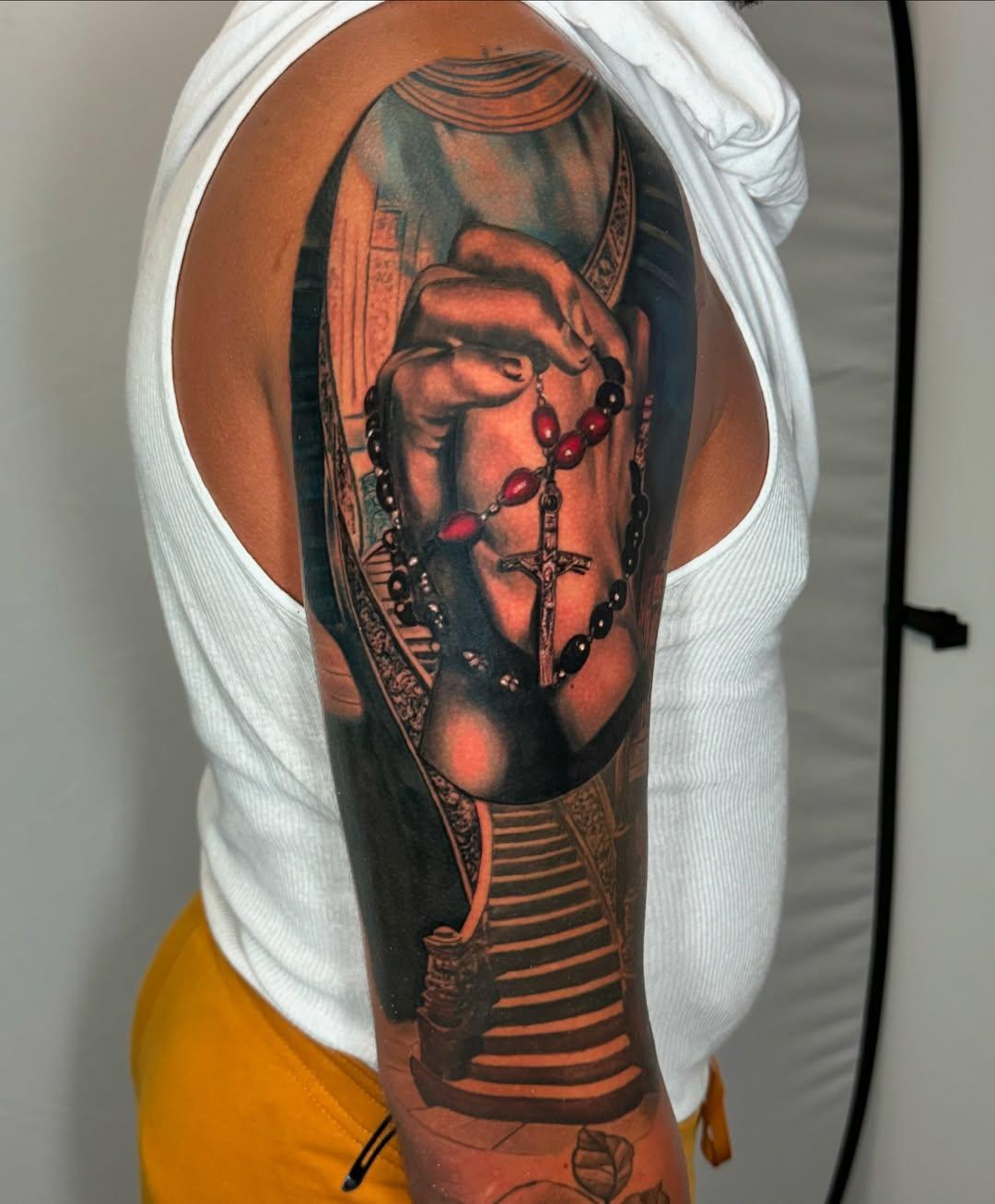
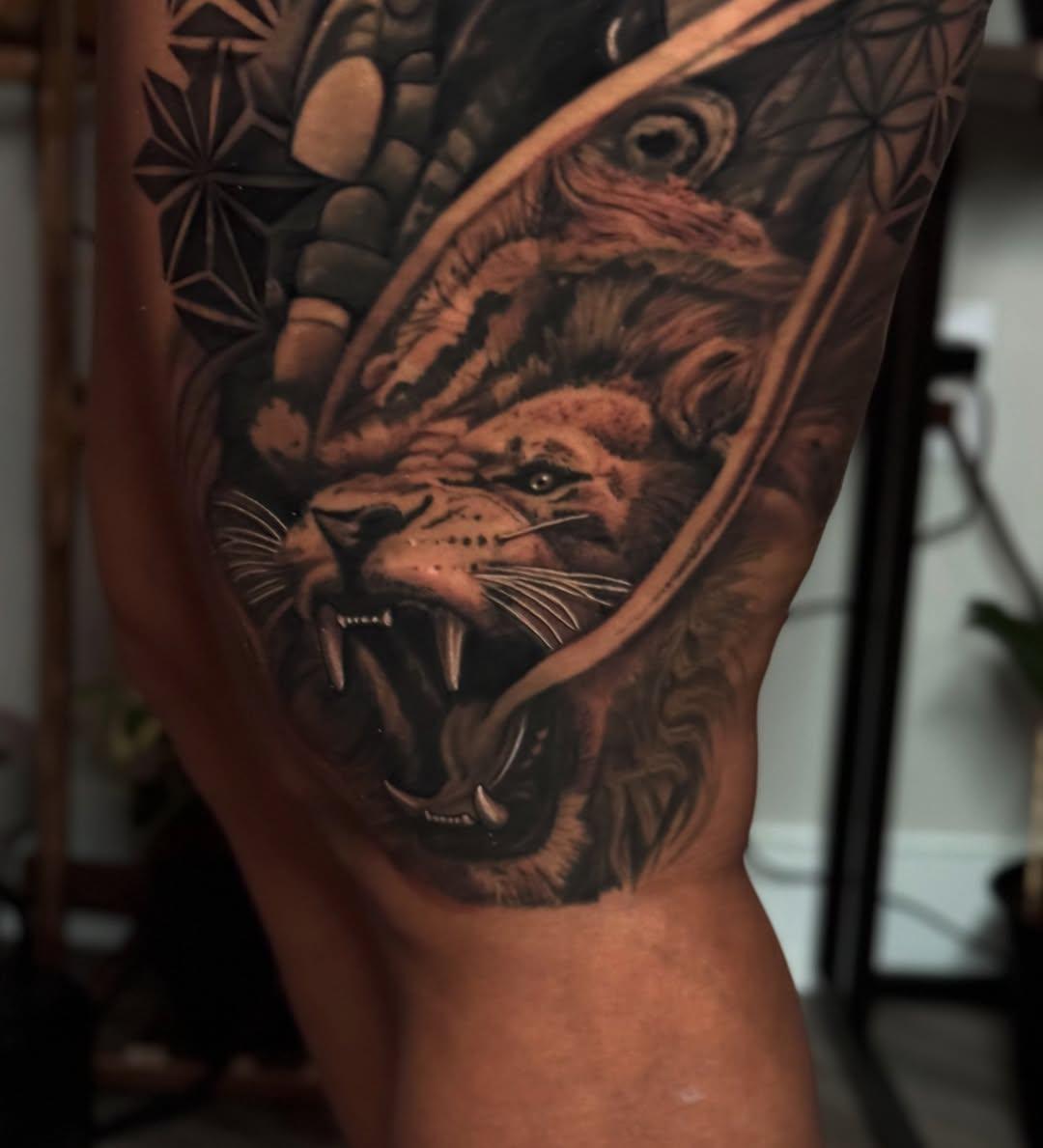
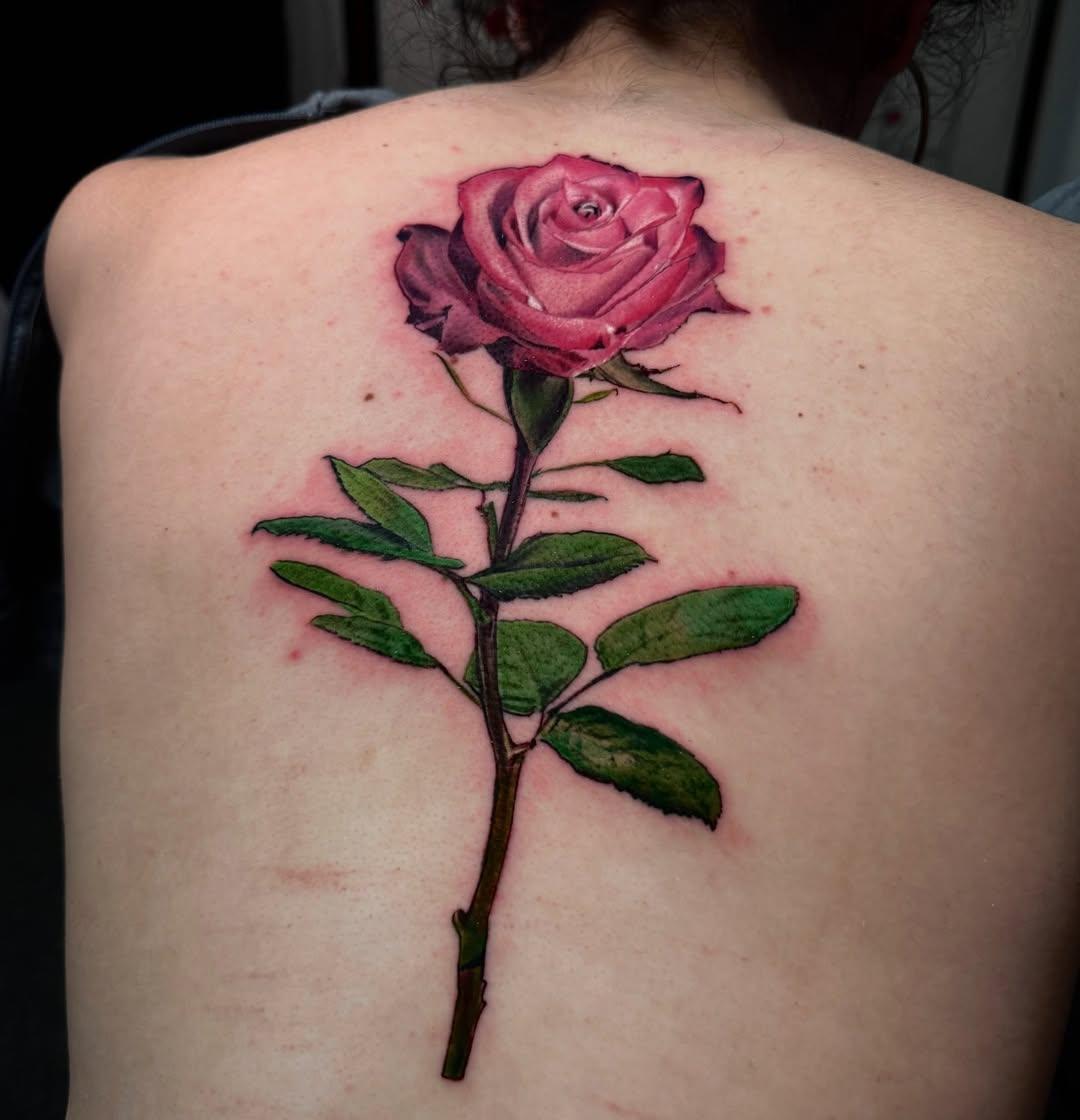
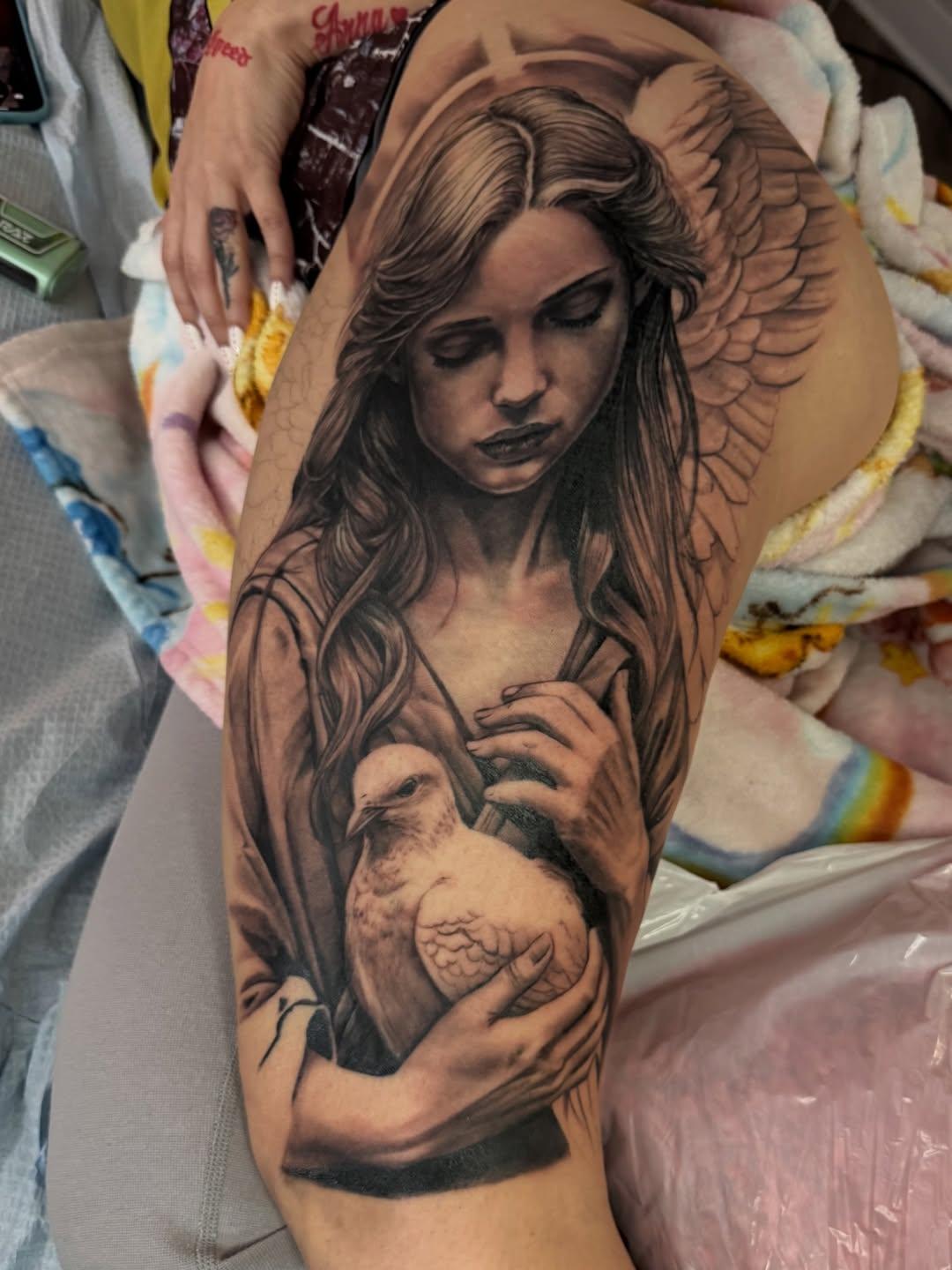
See our Artworks from Satisfied Clients
FAQS
Is getting a tattoo painful, and how can I prepare for it?
Pain levels vary depending on your tolerance, the tattoo’s placement, and its size or complexity. Areas with more bone or thinner skin tend to feel more sensitive, while fleshier parts are usually easier to تحمل. To prepare, make sure you’re well-rested, hydrated, and have eaten a proper meal beforehand. Avoid alcohol or blood-thinning medications prior to your session, as they can increase bleeding. Wearing comfortable clothing that allows easy access to the tattoo area also helps. Most importantly, communicate openly with your artist—they can guide you through the process and help make the experience as comfortable as possible.
How do I take care of my tattoo after the session?
Proper aftercare is essential to ensure your tattoo heals well and maintains its quality over time. Immediately after your session, your artist will cover the tattoo with a protective layer, which you should keep on for the recommended duration. Once removed, gently wash the tattoo with mild soap and lukewarm water, then pat it dry—never rub. Apply a thin layer of recommended ointment or moisturizer and avoid over-saturating the skin. Keep the tattoo out of direct sunlight, avoid swimming, and do not pick at scabs or peeling skin. Following these steps carefully helps prevent infection and preserves the tattoo’s color and detail.
How much does a tattoo cost, and what factors affect the price?
Tattoo pricing can vary widely depending on several factors, including the size, design complexity, placement, and the artist’s experience or reputation. Small, simple tattoos may cost relatively little, while large or highly detailed pieces—especially custom designs—can require multiple sessions and significantly higher fees. Studios may charge by the hour or per piece. Additionally, location and demand can influence pricing. It’s always best to consult directly with your chosen artist to get an accurate estimate. Remember, a tattoo is a long-term investment in both art and personal expression, so prioritizing quality and safety over cost is highly recommended.